

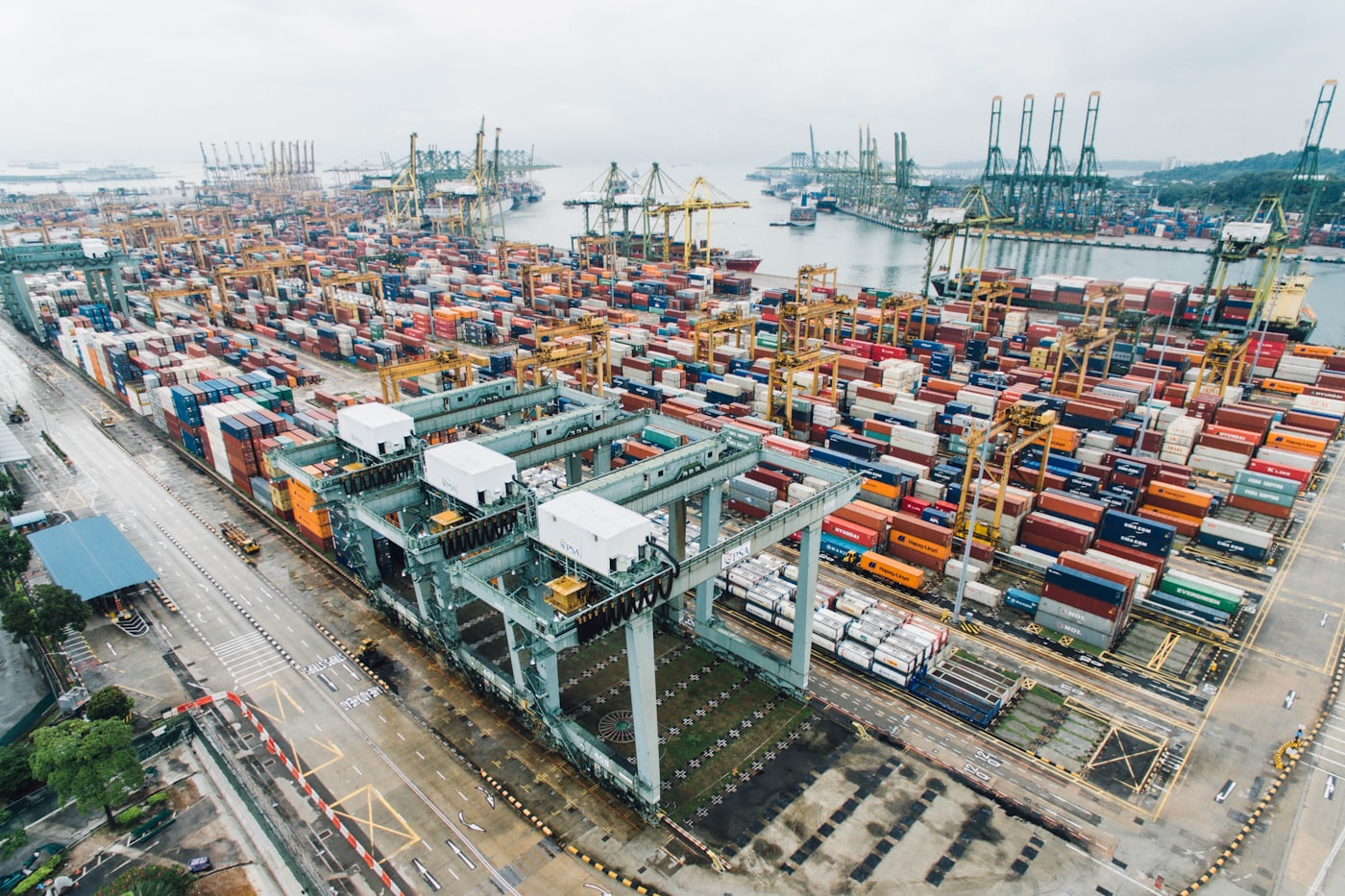
Container vessel alongside a port terminal under gantry cranes
Product / 01Flagship · Pilot-ready

Maritime Security

The scarce resource on a watch floor is not data. It is judgment, exercised in time.

A single operating picture assembled from vessel activity, sensor observation, behaviour, and analyst evidence. Its discipline is subtraction: of everything a coastline produces in a day, it puts forward only what warrants a decision, and shows the reasoning that qualified it.

Built for

Maritime authorities, ports, offshore operators, and systems integrators

Pilot scorecard

Detection to triage time · warning horizon · precision at K

The operating problem

The signal that mattered is usually found afterwards, distributed across tracks, sensors, registries, and manual work that were never designed to be read together.

What the product produces

A prioritised picture that carries its reasoning with it, so a watch can move from detection to investigation, and hand over to the next watch, without the evidence thinning at each step.

Capabilities

What it does, stated plainly.

Multi-source track fusion across cooperative and non-cooperative sources
Behaviour and identity analytics rather than self-reported identity alone
Mission areas, watchlists, and standing areas of interest
Competing explanations retained with the evidence behind each
Historical replay and reporting for post-event review
Interoperable track and event APIs
Why the demand exists

The demand is structural, not seasonal.

Coastal operations produce far more observation than any watch can absorb, and the cost of a correlation not drawn is counted in incidents rather than in tickets. The obligation is to make the consequential few legible among the unremarkable many.

Sources do not agree
Radar, cooperative reporting, and imagery describe the same hull differently, and reconciling them is still largely manual.
Volume beats attention
An operator cannot sustain review across every track, so prioritisation has to be defensible rather than arbitrary.
Evidence has to survive handover
A watch that changes shift loses context unless the reasoning travels with the track.
Integration, not replacement
Authorities already own sensors and systems, so the product has to sit alongside them.
Where this actually stands

What is built, and what is not.

An evaluator's first job is to find the gap between the claim and the code. Stating it first is faster for everyone, and it is the part of a pilot conversation that determines whether the rest is worth having.

Built and demonstrable
  • Working track fusion and prioritisation over representative scenarios
  • Operator console with evidence, timeline, and analyst review states
  • Event and track APIs for downstream integration
Not built yet
  • No live connection to an authority's operational sensor feeds
  • Accreditation and security certification are pre-pilot scope